Tournay
Tournay, Belgium · Porcelain
Marks
Plate I🔗
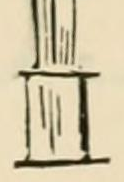
used before 1755
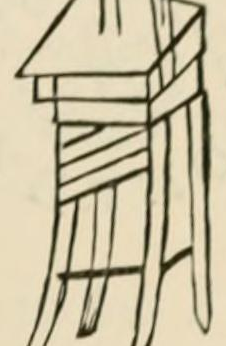
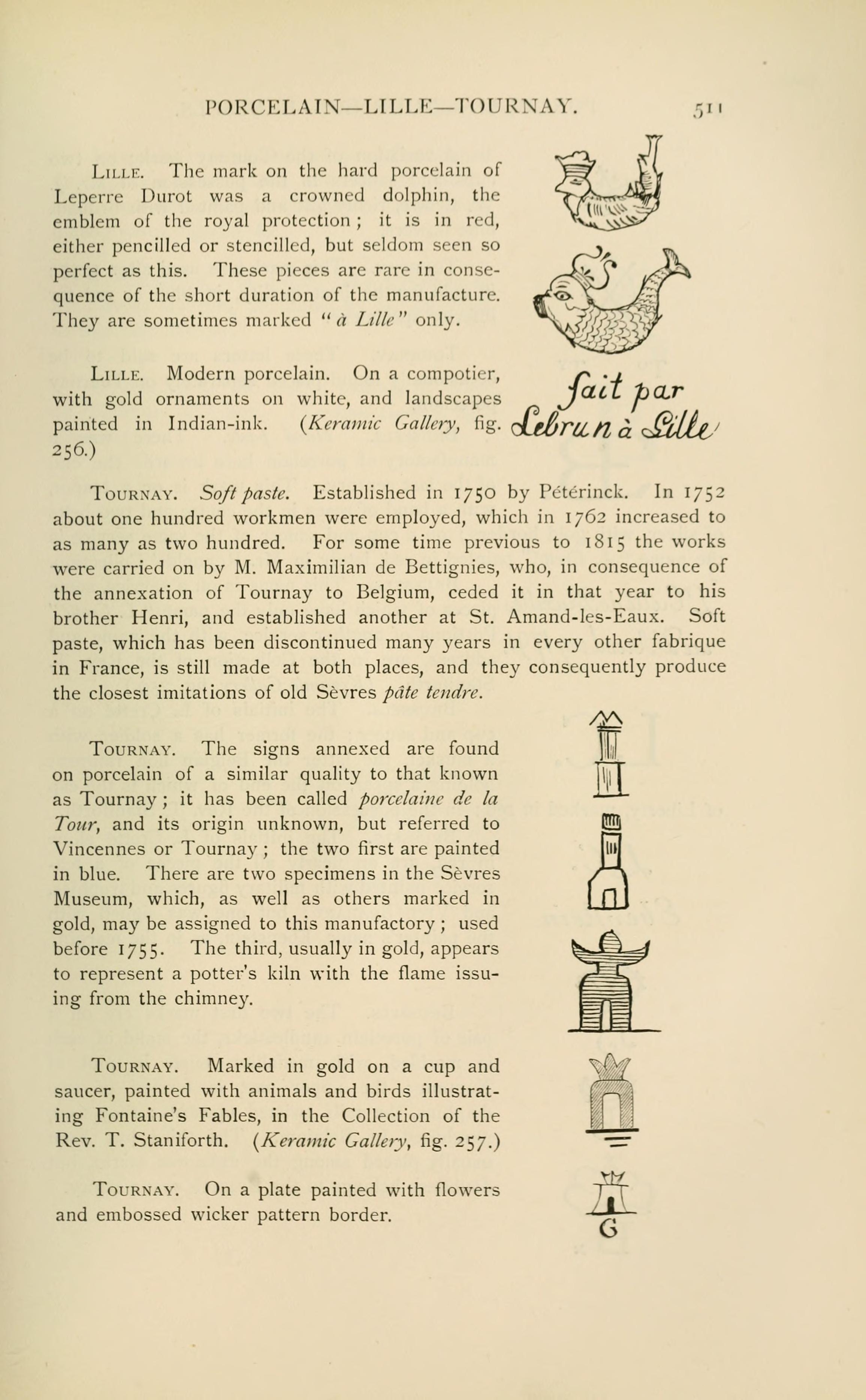
A tower · painted in blue · engraved in the sourceChaffers 1891, p.511origin unknown in the sourceChaffers writes that this porcelain ‘has been called porcelaine de la Tour, and its origin unknown, but referred to Vincennes or Tournay’. The mark sits under Tournay because that is the heading he sets it under, not because he settles the question.
Plate II🔗
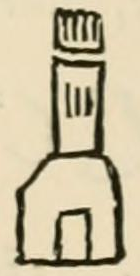
used before 1755
A tower with a crenellated top and a door · painted in blue · engraved in the sourceChaffers 1891, p.511origin unknown in the sourcePlate III🔗
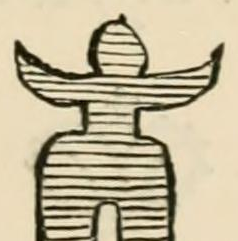
The source’s date sentence covers the two blue marks and ‘others marked in gold’ together without separating them, so no date is carried on this plate.
Plate IV🔗
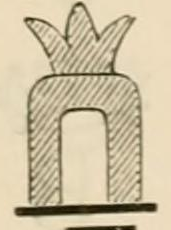
Recorded on a cup and saucer painted with animals and birds illustrating Fontaine’s Fables, in the Collection of the Rev. T. Staniforth.Chaffers 1891, p.511
Plate V🔗
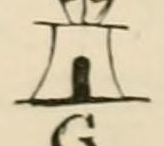
Recorded on a plate painted with flowers and an embossed wicker pattern border.Chaffers 1891, p.511
What the source records
- Tournay soft-paste porcelain was established in 1750 by Pétérinck.Chaffers 1891 · p.511
- In 1752 about one hundred workmen were employed, which in 1762 increased to as many as two hundred.Chaffers 1891 · p.511
- For some time previous to 1815 the works were carried on by M. Maximilian de Bettignies.Chaffers 1891 · p.511
- In consequence of the annexation of Tournay to Belgium, de Bettignies ceded the works in 1815 to his brother Henri, and established another at St. Amand-les-Eaux.Chaffers 1891 · p.511
- Soft paste, discontinued many years in every other fabrique in France, was still made at both places, so they produce the closest imitations of old Sèvres pâte tendre.Chaffers 1891 · p.511
- The tower signs are found on porcelain of a similar quality to that known as Tournay; it has been called porcelaine de la Tour, and its origin is unknown, but referred to Vincennes or Tournay.Chaffers 1891 · p.511
- Two specimens are in the Sèvres Museum which, as well as others marked in gold, may be assigned to this manufactory, and were used before 1755.Chaffers 1891 · p.511
Why this differs from other listings
Chaffers does not claim these tower signs are certainly Tournay. He records the porcelain as called porcelaine de la Tour, ‘its origin unknown, but referred to Vincennes or Tournay’. That doubt is reproduced here and labelled on the plates rather than resolved, because the source does not resolve it.
The source page
What this entry does not establish
- That the tower signs are Tournay. The source refers them to Vincennes or Tournay and calls the origin unknown.
- A date for the last two marks. Only the first group is dated, and only as ‘used before 1755’.
- Anything about Tournay after 1891, or about the St. Amand-les-Eaux works beyond the sentence recording their founding.
Questions
What marks does Chaffers 1891 record for Tournay?
5 on p.511: A tower (used before 1755); A tower with a crenellated top and a door (used before 1755); A potter’s kiln with the flame issuing from the chimney; A crowned tower; A crowned tower above the letter G. 5 of them are engraved in the source and are reproduced above; the rest are described in words only.
What dates does the source give?
The dates Chaffers attaches to these marks fall between 1755. They are his, not an inference drawn here, and several are given as approximate or open-ended in the original wording shown on each plate.
Where was Tournay?
Tournay, Belgium.
Is the A tower attribution certain?
No, and the source says so. Chaffers flags it — origin unknown in the source. Chaffers writes that this porcelain ‘has been called porcelaine de la Tour, and its origin unknown, but referred to Vincennes or Tournay’. The mark sits under Tournay because that is the heading he sets it under, not because he settles the question.
Can this page tell me what my piece is worth?
No. This site reports what one nineteenth-century reference recorded, and cites the page so you can check it. It does not authenticate objects, value them, or offer an opinion on a specific piece.