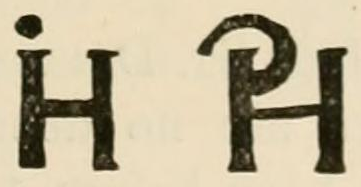
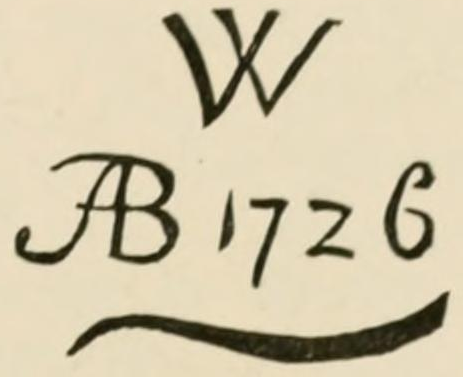
Paris art faïence
Paris, France · Faïence · also recorded as Théodore Deck, Hippolyte Pinart, A. Jean, Deck & Collinot
Marks
Plate I🔗
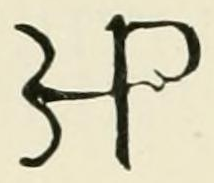
active 1862
HP in monogram · painted monogram · engraved in the sourceChaffers 1891, p.186Hippolyte Pinart, keramic painter, 7 Rue des Récollets. A painter's mark rather than a factory mark — it identifies a hand, not a works.
Plate II🔗
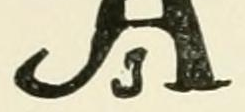
from 1859
A. Jean device · painted · engraved in the sourceChaffers 1891, p.186A. Jean, 11 Rue de Sèvres, making imitations of maiolica. Chaffers gives two marks for him — this device and the signature below.
Plate III🔗
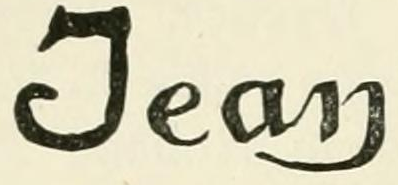
from 1859
Jean, in script · painted signature · engraved in the sourceChaffers 1891, p.186The second of A. Jean's two marks. A signature rather than a device.
Plate IV🔗

from 1859
FD in monogram · painted monogram · engraved in the sourceChaffers 1891, p.186Théodore Deck. The initials are reversed relative to the name — F over D for Deck — which is worth knowing before dismissing a piece because the letters look wrong.
What the source records
- Théodore Deck established a manufactory of faïences d'art in 1859, with a magasin at 12 Rue Halévy.Chaffers 1891 · p.186
- Deck showed encrusted ware at the International Exhibition of 1862, which sold very freely to English buyers and won him a medal.Chaffers 1891 · p.186
- Deck's ware has coloured pastes inserted in patterns into the body, in the manner of Henri II ware, sometimes in Persian designs.Chaffers 1891 · p.186
- Artists engaged at Deck's fabrique included Anker, Ranvier, Legrain, Glück, Ehrman, Hirsch, Schubert, Benner and Madame Escallier.Chaffers 1891 · p.186
- The Brothers Deck were first induced to imitate Persian wares by M. Adalbert de Beaumont, a traveller and artist who collected designs and copies of detail.Chaffers 1891 · p.186
- Deck later took the chemist M. Collinot into partnership and erected a kiln for cloisonné wares in Arabian and Persian style, tracing designs on the ware with aquafortis filled in with coloured enamels.Chaffers 1891 · p.186
- Hippolyte Pinart, a keramic painter of 7 Rue des Récollets, obtained a medal at the International Exhibition of 1862.Chaffers 1891 · p.186
- A. Jean, of 11 Rue de Sèvres, established a manufactory of faïences artistiques in 1859 making imitations of maiolica, and obtained a medal in 1862.Chaffers 1891 · p.186
Why this differs from other listings
These are nineteenth-century art potters rather than an eighteenth-century factory, and they are usually catalogued individually with no indication that they shared a moment, a city and an exhibition. Chaffers puts them on one page around the 1862 International Exhibition, names the artists Deck employed, and gives the mechanism — Adalbert de Beaumont's collected Persian designs — that set the whole Paris Persian-revival going.
The source page
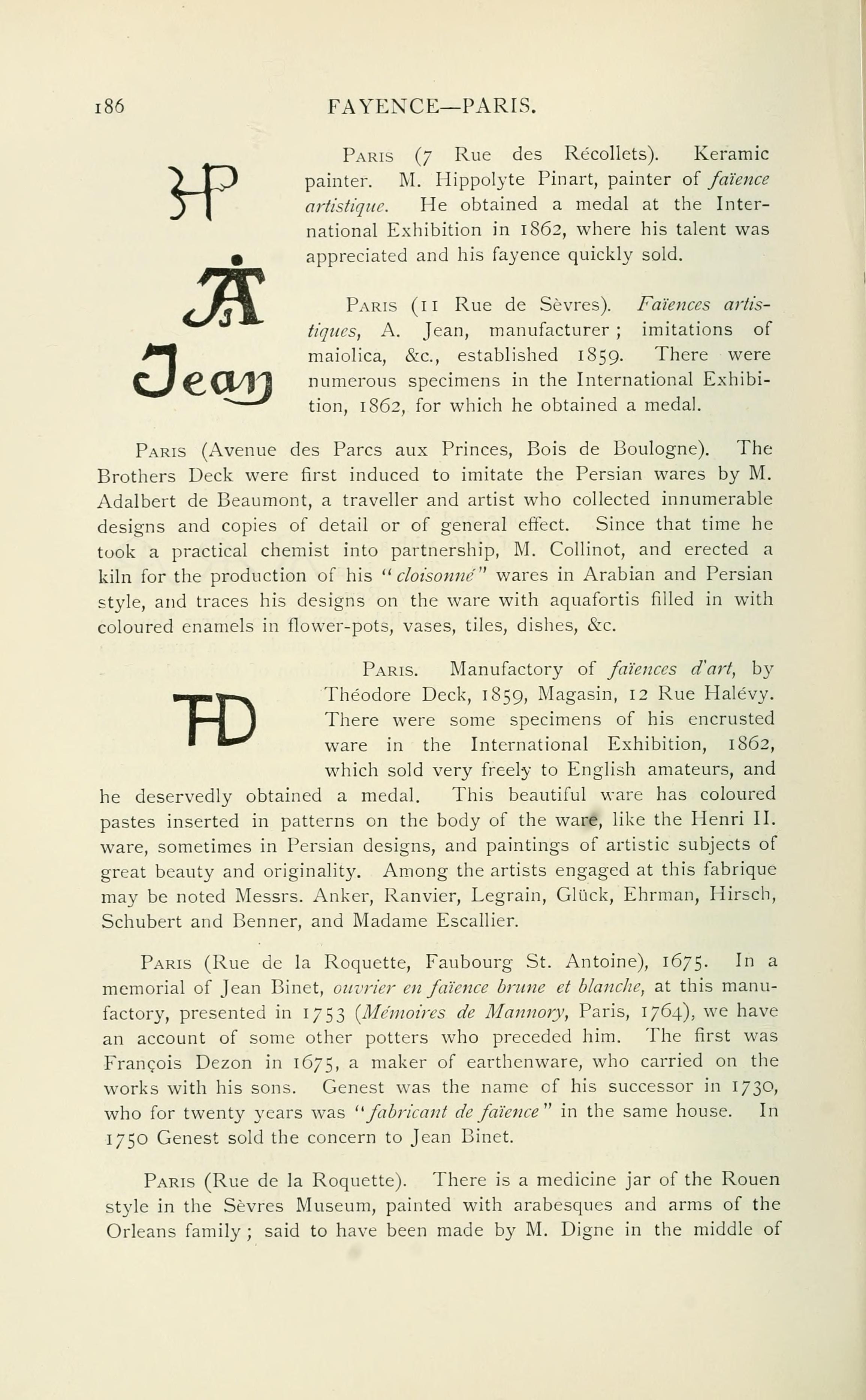
What this entry does not establish
- Chaffers is writing close to these makers' own lifetimes and gives no closing dates; the marks are not bounded at the later end.
- A monogram of two letters is weak evidence on its own. FD and HP are not unique to these makers across European ceramics.
Questions
What marks does Chaffers 1891 record for Paris art faïence?
4 on p.186: HP in monogram (active 1862); A. Jean device (from 1859); Jean, in script (from 1859); FD in monogram (from 1859). 4 of them are engraved in the source and are reproduced above; the rest are described in words only.
What dates does the source give?
The dates Chaffers attaches to these marks fall between 1859 and 1862. They are his, not an inference drawn here, and several are given as approximate or open-ended in the original wording shown on each plate.
Where was Paris art faïence?
Paris, France. The source also records the name as Théodore Deck, Hippolyte Pinart, A. Jean, Deck & Collinot.
Can this page tell me what my piece is worth?
No. This site reports what one nineteenth-century reference recorded, and cites the page so you can check it. It does not authenticate objects, value them, or offer an opinion on a specific piece.